Dream of Death
By DreamBunny · Last updated March 10, 2026
The ultimate transformation, signaling the end of old patterns and the birth of a new self.
Core Symbolism: The Eternal Cycle of End and Beginning
In the grand narrative of dreams, death rarely prophesies physical demise. Instead, it stands as one of the most potent symbols of transformation in the subconscious. Death is the natural law that the old must yield, symbolizing the termination of a life stage, a mindset, a relationship, or a self-concept to make room for rebirth.
From a psychodynamic depth, dreaming of death often signals that you are at a crossroads in life, where your subconscious is conducting a profound "spring cleaning":
- Shedding the Old Self: Like a phoenix rising from the ashes, death means you are stripping away old identities, habits, or beliefs that no longer serve your growth. This is a painful but necessary process of psychological detachment.
- Irreversible Change: Unlike a gentle transition, death symbolizes an irreversible change. It hints that something has ended completely, there is no turning back, and you must look forward.
- Release of Repression: Sometimes, death represents the "burial" of repressed emotions or painful memories, an attempt by the subconscious to rid itself of psychological burdens.
Common Dream Scenarios
Death in dreams manifests in various forms, each carrying specific psychological metaphors:
1. Dreaming of Your Own Death
Experiential Description: You might see yourself lying in a coffin, or having an out-of-body experience watching your own corpse. The feeling is usually not fear, but a strange calmness, relief, or even the detachment of an observer. Sometimes you feel your body becoming light, as if a heavy burden has been lifted.
Deep Analysis: This is often a strong signal for self-reinvention. You are experiencing some form of "ego death," which could be your decision to abandon a social mask (Persona), or that you are finally ready to end a draining relationship or job. This dream is the subconscious bidding farewell to the old you, heralding the imminent birth of a more authentic, stronger version of yourself.
2. Dreaming of the Death of a Loved One
Experiential Description: Receiving bad news, or witnessing a loved one pass away. You might feel heart-wrenching grief, waking up with a soaked pillow and lingering palpitations; or you might feel strangely numb in the dream, leading to guilt.
Deep Analysis: These dreams are often related to shifting dynamics in relationships, not actual premonitions. It may imply that your relationship with that person is undergoing a qualitative change—perhaps the dependency between you is ending, and you are becoming more independent. If the emotion is grief, it may reflect your separation anxiety about losing that relationship (or a quality within it). If the emotion is numbness, it may represent a subconscious rejection or repression of a trait in that person (which might also be a trait within yourself).
3. Dreaming of Resurrection
Experiential Description: A deceased person (or yourself) suddenly opens their eyes or walks out of a grave. This scene is often accompanied by shock, fear, or the ecstasy of regaining what was lost.
Deep Analysis: This is a symbol of hope and unfinished business. It may suggest that things you thought were over (like a rekindled romance, a shelved plan) are resurfacing. Or, it represents the revival of a potential or trait within you that has been repressed for a long time. If it is a frightening "zombie-like" resurrection, it may imply that unresolved traumas or shadows are returning, demanding your attention.
4. Attending a Funeral
Experiential Description: Dressed in black, surrounded by a solemn crowd, hearing dirges, seeing a tombstone. You might feel lonely in the crowd, or sense a collective grief and solemnity.
Deep Analysis: A funeral is a ritual of formal farewell. This dream indicates that your subconscious has accepted an ending and is ready to process the grief through a "ritualistic" process to turn the page. It is an important sign of psychological healing and acceptance of reality, meaning you are ready to let go of the past and move on.
Expert Perspectives
Jungian Perspective (Carl Jung)
In Jungian psychology, death is a critical stage in the process of Individuation.
- Alchemical "Nigredo": Jung likened death to the "Nigredo" (blackening) stage in alchemy, the process of decomposition and decay. This is the necessary path to psychological integration; the old self must be deconstructed before a more complete "Self" can be synthesized.
- Archetypal Transformation: Death dreams often involve the activation of the "Death and Rebirth" archetype, symbolizing the transition from one state of being to a higher one.
Freudian Perspective (Sigmund Freud)
Freud's interpretation of death is more linked to instincts and wishes.
- Death Drive (Thanatos): In his later years, Freud proposed the concept of the "Death Drive," suggesting a deep-seated impulse in humans to return to an inorganic state, a desire for absolute peace and the elimination of all tension. Dreaming of death might be an obscure expression of this instinct, a longing for absolute tranquility.
- Disguised Aggression: Dreaming of another's death, especially someone close, was sometimes interpreted by Freud as a disguised expression of subconscious hostility or jealousy toward that person (e.g., hostility toward the father in the Oedipus complex), although this view is considered somewhat reductive in modern times.
Self-Assessment & Actionable Advice
If you dream of death frequently, do not panic; it is usually life force seeking a new outlet. Explore yourself through the following steps:
1. Awareness and Reflection
- Identify the "Deceased": Who died in the dream? If not you, what part of your personality does this person represent? (e.g., dreaming of a father's death might represent a change in your internal sense of authority).
- Check Life Changes: Have there been major changes in your life recently (job loss, breakup, moving)? Or do you feel that a certain lifestyle is no longer sustainable?
2. Ritualistic Farewell
- Write a Goodbye Letter: If you feel the dream is prompting you to end something, try writing a goodbye letter to that "old self," "old relationship," or "old habit," thanking it for its company, and then formally saying goodbye.
- Clean Physical Space: Do a major cleanup in real life, throwing away old items you no longer need. This physical clearing often effectively promotes psychological "clearing" and renewal.
3. Embrace the New
- Notice New Shoots: After dreaming of death, pay attention to new opportunities or ideas appearing in dreams or real life. Death is to make space; what is growing in that space?
- Accept Uncertainty: The change brought by death is often accompanied by fear of the unknown. Practice mindfulness, accept this state of "being on the way," and trust the natural cycle of life.
4. When to Seek Professional Help
If death dreams are accompanied by extreme fear, despair, or if you have thoughts of self-harm in reality, this has gone beyond normal dream metaphor and may be a signal of severe depression or a psychological crisis. Please seek professional mental health counseling immediately.
Had a dream about Death?
Get a personalized, in-depth analysis of your specific dream context with our AI therapist.
Related Dreams
Being Late
Dreaming about being late often reflects anxiety about time, fear of missed opportunities, or feeling unprepared for life's challenges. Explore the psychological meaning and symbolism of being late in dreams.
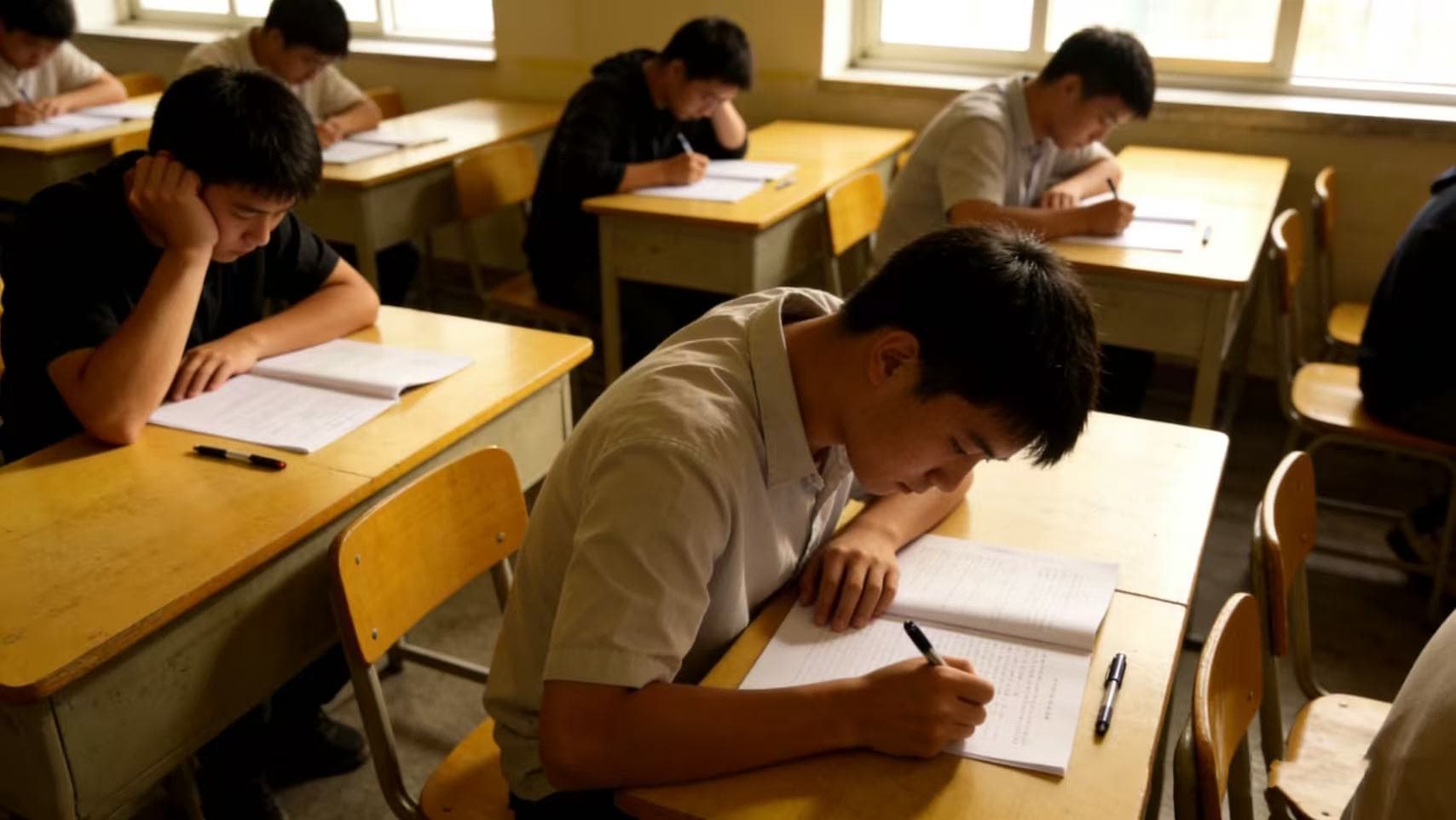
Exam
A test of self-worth and preparedness, reflecting deep-seated anxieties about performance and judgment.
Missing a Phone Call
Dreaming of missing a phone call often reflects fear of disconnection, delayed communication, and relationship anxiety. The caller, timing, and emotion reveal what your psyche is urging you to answer in waking life.
Unable to Run
Dreaming of being unable to run, feeling your legs heavy as lead, or moving in slow motion often reflects feelings of powerlessness, lack of self-esteem, or obstacles in your waking life.
Falling
A falling dream often reflects unstable control, social pressure, and fear of losing support during transition.
Ex-partner
A reflection of unresolved feelings, past patterns, and the integration of lost aspects of the self.