Dream of Water
By Ethan Walker · Last updated March 24, 2026
Dreaming of water usually reflects emotional state, unconscious processing, and life transitions. The water’s clarity, force, and your reaction reveal whether the dream points to regulation, overwhelm, healing, or unresolved stress.
Introduction
Water dreams often feel physically real. You may wake up with tight breathing, a heavy chest, or unusual calm, depending on whether the water in the dream was violent, deep, clear, or still.
In dream psychology, water usually symbolizes emotional life and unconscious material rather than literal events. The same image can mean very different things: a quiet lake may suggest integration, while a flood may reflect overload.
A useful interpretation starts with detail. Note the color, temperature, movement, depth, and your role in the scene. These details are the bridge between dream imagery and waking emotional patterns.
Core Symbolism
Water often represents the movement of emotional energy. In Analytical psychology, descending into deep water can symbolize contact with less conscious parts of the psyche.
A practical chain is: dream detail (murky, rising water) → mechanism (uncertainty + stress accumulation) → meaning (emotional ambiguity and pressure) → suggestion (slow down, clarify one unresolved issue). This is more reliable than using fixed “good/bad” labels.
Water also has two symbolic faces. It can cleanse and renew, but it can also dissolve boundaries when intensity is too high. Your dominant dream emotion—fear, relief, awe, shame, or peace—helps determine which side is active.
Common Dream Scenarios
Drowning and losing breath
You are sinking, breathing is blocked, and movement feels slow. Panic usually rises quickly in this scenario.
This image often points to emotional flooding: too many demands, too little recovery, and reduced sense of control. It can also appear during unresolved grief or relationship strain.
Action cue: identify one concrete source of overload and reduce exposure for 24 hours.
Flood or giant wave approaching
A wave or flood moves toward you with unstoppable force. You may try to run but feel heavy or delayed.
This commonly reflects anticipation anxiety around change, conflict, or responsibility. The dream may be simulating threat so the mind can rehearse response.
Action cue: write down the feared event and split it into one immediate step and one follow-up step.
Clear, calm lake or sea
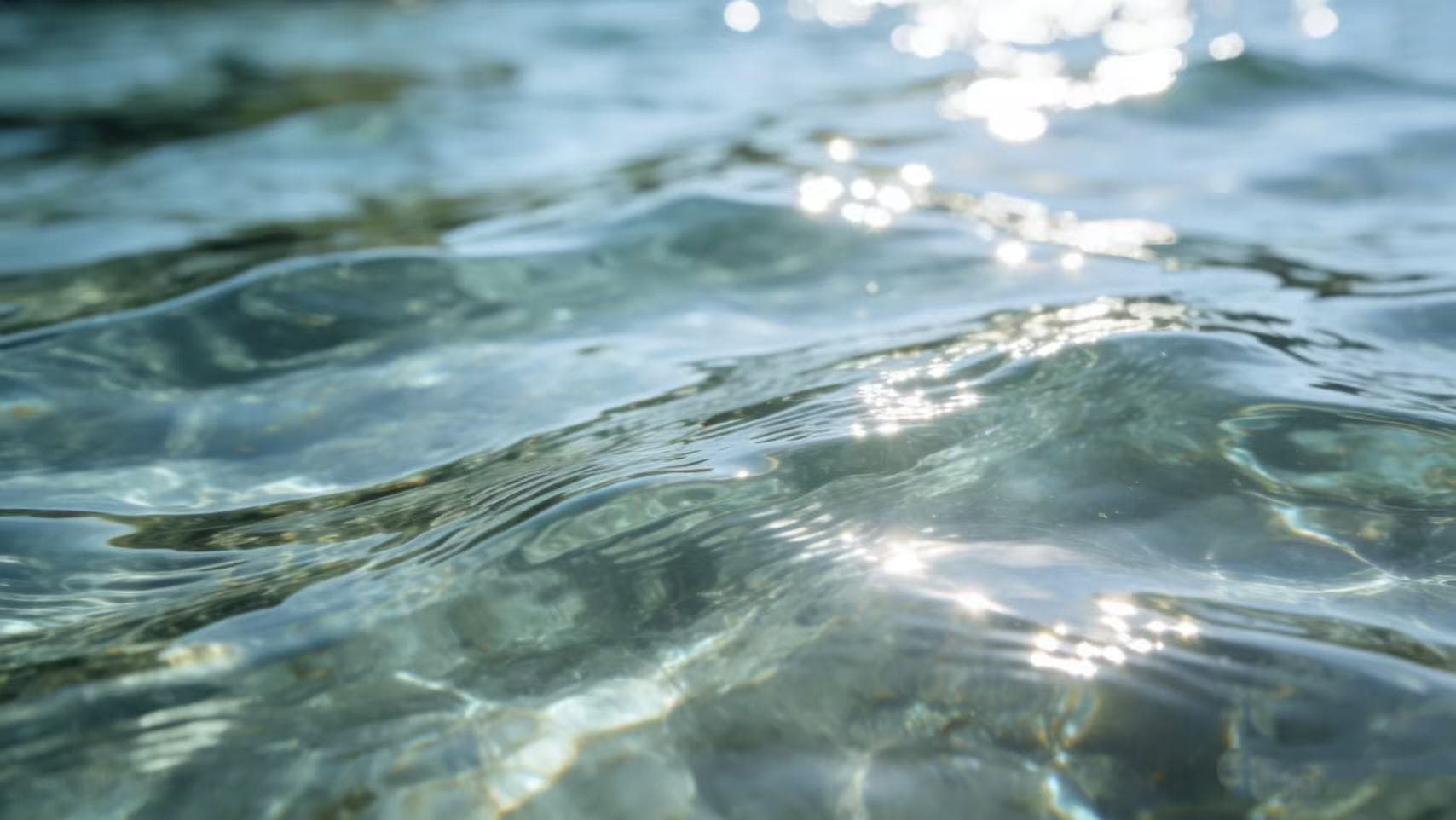
The water is transparent or gently moving, and your body feels settled. You may feel spaciousness, curiosity, or relief.
This scene usually indicates emotional regulation and better alignment between conscious choices and inner needs.
Action cue: preserve the routines that currently stabilize you (sleep, boundaries, honest conversation).
Muddy, dark, or stagnant water
The water is dirty, still, or unpleasant. The dream atmosphere may feel confusing, sticky, or draining.
This often maps to unresolved inner conflict, shame, or ambiguous stressors that have not been named clearly.
Action cue: pick one “unclear” emotional topic and define it in one sentence tonight.
Perspectives
Jungian perspective
For Carl Jung, large bodies of water frequently point toward the collective unconscious. Entering water can symbolize an encounter with shadow material and latent potential.
Positive side: deeper self-contact and integration. Shadow side: disorientation if intensity exceeds coping capacity.
Freudian perspective
In Sigmund Freud’s model and The Interpretation of Dreams, water imagery may relate to early attachment themes, bodily memory, and instinctive drives.
Positive side: emotional release. Shadow side: repetition of unresolved dependency or fear patterns.
Cognitive and neuroscience perspective
Research summaries from the American Psychological Association and NCBI suggest dreaming helps process emotionally salient information during REM sleep.
In that frame, threatening water scenes may act as high-salience simulations for uncertainty and survival responses.
Cultural and spiritual perspective
Across cultures, water can symbolize purification, transition, and rebirth. Cultural meaning can enrich interpretation, but deterministic predictions are usually not helpful.
Use the symbol as a reflection tool: where in life do you need more flow, and where do you need firmer boundaries?
Reflection & Action
Questions to ask yourself
- Was the water clear, muddy, still, or violent?
- Did I feel fear, relief, shame, awe, or calm in the dream?
- Was I watching, escaping, drowning, swimming, or crossing water?
- Which real-life situation currently feels most like this water?
Actionable steps
- Record one dream detail and one waking stressor right after waking.
- Do a 5-minute body downregulation practice tonight (slow breathing + no screen).
- Have one boundary conversation you have delayed.
- Reduce one avoidable stress input for the next 24 hours.
FAQs
Is dreaming of water always a bad sign?
No. Conclusion: water dreams are context-dependent. Reason: the same symbol can reflect healing, transition, or overload. Suggestion: use emotion + scene detail, not superstition.
Does a flood dream predict real disaster?
Usually not. Conclusion: it more often reflects internal stress processing. Reason: dream imagery is symbolic and simulation-based. Suggestion: focus on current pressures rather than prediction.
Why do I keep dreaming about drowning?
Conclusion: repetition often signals unresolved emotional load. Reason: the mind revisits salient themes until they are better regulated. Suggestion: combine journaling with practical stress reduction and support.
Does this mean I have a mental disorder?
Conclusion: a dream alone is not a diagnosis. Reason: dreams are influenced by many normal factors, including stress and sleep quality. Suggestion: seek professional help if nightmares are frequent and impair functioning.
Conclusion
Water dreams usually describe your relationship with emotion: how it moves, where it is blocked, and when it becomes too intense. The symbol is not fate; it is feedback.
Tonight, capture one concrete detail from the dream and take one small regulating action tomorrow. Small consistent steps often change both dream tone and daytime clarity.
References
- Analytical psychology – Wikipedia
- Carl Jung – Wikipedia
- Collective unconscious – Wikipedia
- Sigmund Freud – Wikipedia
- The Interpretation of Dreams – Wikipedia
- American Psychological Association: Why do we dream?
- NCBI – National Center for Biotechnology Information
Disclaimer
This article is for education and self-reflection only. It is not a medical or psychological diagnosis and does not replace professional care.
Had a dream about Water?
Get a personalized, in-depth analysis of your specific dream context with our AI therapist.
Related Dreams
Fire
Dreaming of fire often reflects intense emotional energy, transformation, and control anxiety. The fire’s size, location, and your reaction reveal whether you are processing renewal, anger, fear, or unresolved pressure.
Rain
Dreaming of rain often reflects emotional release, grief processing, or psychological renewal. This expert guide explains rain dream meaning through Jungian, Freudian, cognitive neuroscience, and cultural perspectives.
Thunder
Dreaming of thunder often reflects emotional shock, suppressed conflict, or a wake-up signal from the psyche. This guide explains thunder dream meaning through Jungian, Freudian, cognitive, and cultural lenses.
Forest Dream Meaning
Explore the deep symbolism of forests in dreams. From the mysterious unconscious to personal growth, discover what getting lost or finding peace in the woods reveals about your inner journey.
Earthquake
A powerful symbol of sudden change, instability, and the shaking of life's foundations.
Flood
Dreaming of a flood often reflects emotional overflow, boundary collapse, or rapid life transitions. This guide explains flood dream meaning through Jungian, Freudian, cognitive, and cultural lenses.