Soñar con Cementerio
Por DreamBunny · Última actualización: 10 de marzo de 2026
Soñar con un cementerio puede dar miedo o una calma extraña. Más que un mal presagio, suele simbolizar cierres, duelo no resuelto y el proceso íntimo de despedirte de una etapa para renacer.
Introducción
Un cementerio en sueños suele venir con silencio, lápidas alineadas y una sensación difícil de explicar. A veces despiertas con el corazón acelerado; otras, con una serenidad rara. En la psicología del sueño, el cementerio rara vez anuncia una muerte literal. Más bien, aparece como el lugar donde la mente “entierra” lo que terminó: vínculos, identidades, creencias y etapas que ya no encajan.
Simbolismo central
En el fondo, el cementerio simboliza el límite entre lo que se cerró y lo que todavía vive dentro de ti.
- Cierres y finales: una relación, un trabajo, una versión de ti mismo que necesita soltarse.
- Duelo no expresado: tristeza contenida que busca un canal seguro.
- El pasado que vuelve: nombres, fechas y recuerdos que siguen influyendo en el presente.
- Conciencia de la mortalidad: puede reflejar ansiedad ante la muerte y búsqueda de sentido, relacionada con la Terror management theory.
Escenarios comunes y su interpretación
1. Caminar solo por el cementerio de noche
- Contexto: recorres pasillos entre tumbas sin ver una salida clara.
- Emoción y atributos: miedo, alerta, o una frialdad emocional; oscuridad, niebla, humedad.
- Interpretación profunda: suele señalar un duelo vivido en soledad o una emoción que estás evitando. Si hay calma, puede indicar aceptación y cierre en curso.
2. Encontrar una tumba con tu nombre
- Contexto: ves tu nombre en una lápida; las fechas pueden estar borrosas o vacías.
- Emoción y atributos: shock, despersonalización, curiosidad, pánico.
- Interpretación profunda: suele hablar de cambio de identidad, no de muerte literal. Una parte de ti está “terminando”: un rol, una lealtad, una forma de sobrevivir. También puede aparecer en agotamiento extremo.
3. Visitar la tumba de alguien querido
- Contexto: llevas flores, hablas, lloras o limpias la lápida.
- Emoción y atributos: ternura, peso en el pecho, alivio; gran realismo.
- Interpretación profunda: puede ser un movimiento saludable del duelo: integrar la relación con la persona fallecida. Orientación general sobre duelo puede consultarse en la American Psychological Association.
4. Perderte dentro del cementerio
- Contexto: caminas y vuelves al mismo punto, como si el lugar fuera un laberinto.
- Emoción y atributos: ansiedad, frustración, impotencia.
- Interpretación profunda: refleja rumiación: “lo que pudo ser”, culpa, despedidas incompletas. La mente busca una narrativa que permita avanzar.
5. El cementerio se transforma en un jardín
- Contexto: aparece luz, plantas, flores; el ambiente se vuelve amable.
- Emoción y atributos: sorpresa, esperanza, calidez.
- Interpretación profunda: símbolo de transformación: la pérdida se integra y deja espacio para crecimiento y vitalidad.
Perspectivas
Perspectiva junguiana
Para Carl Jung, el cementerio puede funcionar como una imagen umbral: un lugar de paso hacia el inconsciente colectivo, donde aparecen arquetipos de muerte y renacimiento. El sueño puede acompañar un proceso de individuación: una “máscara” termina y algo nuevo pide nacer.
Perspectiva freudiana
Desde Sigmund Freud, el cementerio puede relacionarse con ambivalencias del duelo, culpa y represión. También puede rozar el concepto de pulsión de muerte (Thanatos): el deseo de detener el conflicto y descansar en la quietud. El sueño dramatiza estas tensiones en una escena simbólica.
Perspectiva cultural/espiritual
- Memoria y ritual: en muchas culturas, el cementerio es un lugar de vínculo, no solo de final. Tradiciones como el Día de Muertos muestran cómo recordar puede ser una forma de vivir.
- Deber y pertenencia: el sueño puede activar temas familiares: responsabilidades, linaje, historias heredadas.
Reflexión y acción
Preguntas para ti
- ¿Qué terminó recientemente en tu vida?
- ¿Qué emoción dominó el sueño: miedo, tristeza, calma o curiosidad?
- ¿Qué nombre, tumba o detalle se te quedó grabado?
Pasos prácticos
- Nombra el cierre: escribe “Estoy soltando…” y completa la frase con honestidad.
- Crea un pequeño ritual: una carta de despedida que no se envía, ordenar objetos, visitar un lugar significativo.
- Busca apoyo si el duelo te desborda: si el sueño se repite y te paraliza, considera acompañamiento terapéutico.
Preguntas frecuentes (FAQs)
P: ¿Soñar con un cementerio significa que alguien va a morir? R: Normalmente no. Suele hablar de cierres psicológicos, duelo o cambios vitales.
P: ¿Por qué vi mi propio nombre en una tumba? R: A menudo simboliza una transición de identidad o agotamiento. Pregúntate qué “yo” está terminando.
P: ¿Qué significa sentir paz en el cementerio? R: Puede indicar aceptación e integración: estás haciendo las paces con una pérdida o un final.
Conclusión
El cementerio en sueños es un archivo silencioso de finales. No te exige miedo: te pide honestidad. Cuando nombras lo que terminó y haces espacio, el sueño deja de perseguirte y se vuelve un puente hacia lo nuevo.
Referencias y lecturas recomendadas
- Freud, S. (1920). Beyond the Pleasure Principle.
- Jung, C. G. (1964). Man and His Symbols. Dell.
- Terror management theory - Wikipedia
- Grief - American Psychological Association
- Día de Muertos - Wikipedia
Descargo de responsabilidad: Este artículo es informativo y no sustituye el consejo psicológico profesional.
¿Tuviste un sueño sobre Cementerio?
Obtén un análisis personalizado y profundo del contexto específico de tu sueño con nuestro terapeuta de IA.
Sueños Relacionados

Puente
Una estructura de conexión y transición, que simboliza el cruce de una fase de la vida a otra, a menudo cargada con el miedo a lo desconocido.
Casa
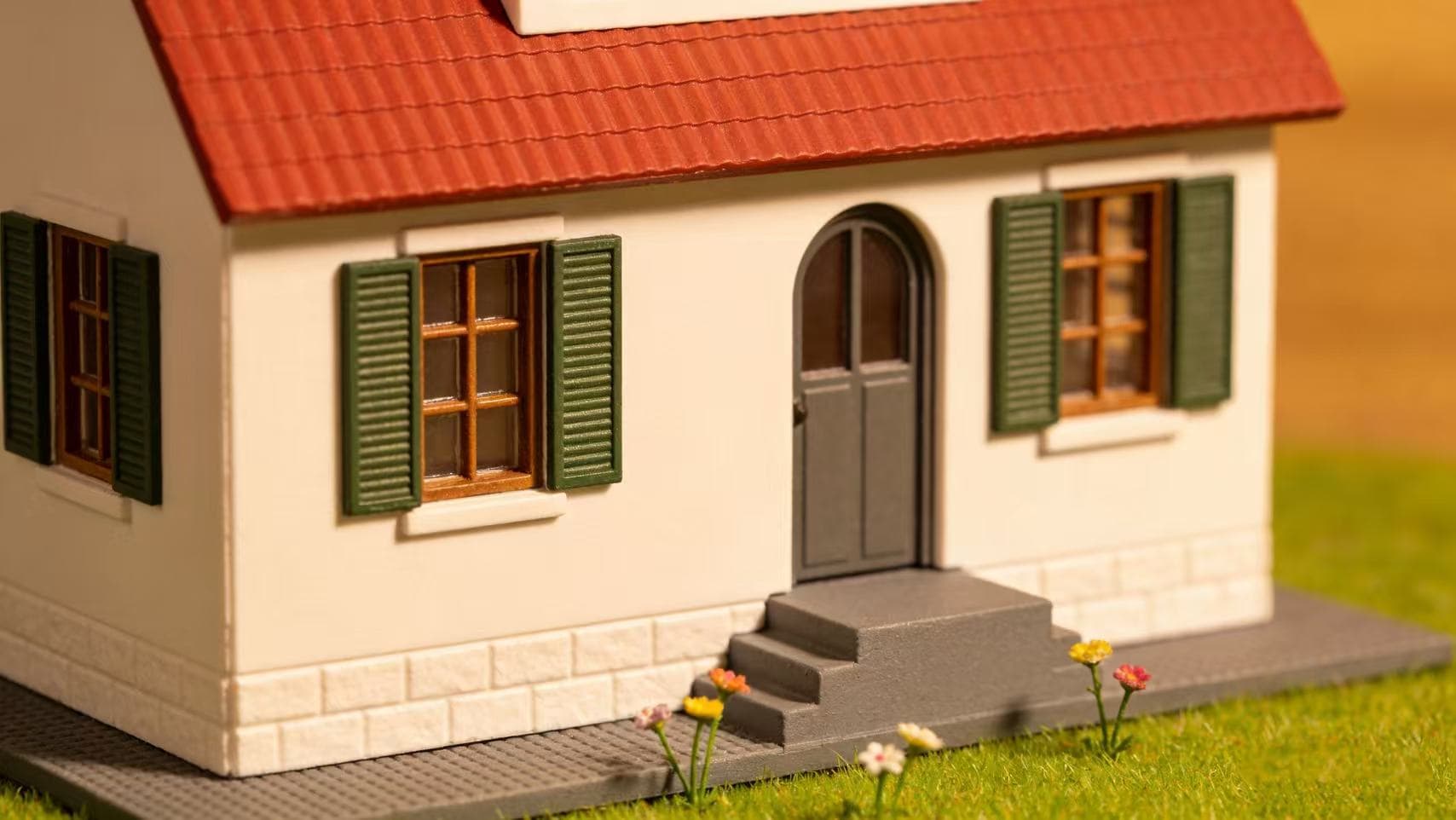
Soñar con casa suele reflejar estructura interna, límites y reconstrucción de etapa vital.
Escuela
¿Por qué soñamos con volver a la escuela? Desde la ansiedad por los exámenes hasta las lecciones no aprendidas, descubre el significado psicológico detrás de los sueños escolares y lo que revelan sobre tus desafíos actuales.
Puerta
Un símbolo de umbral que representa oportunidades, transiciones y la barrera entre lo conocido y lo desconocido.
Ex pareja
Un reflejo de sentimientos no resueltos, patrones pasados y la integración de aspectos perdidos del ser.
No Poder Correr
Soñar que no puedes correr, que tus piernas pesan como el plomo o que te mueves en cámara lenta refleja a menudo sentimientos de impotencia, baja autoestima y obstáculos en tu vida.