Dream of Mirror
By Olivia Carter · Last updated March 24, 2026
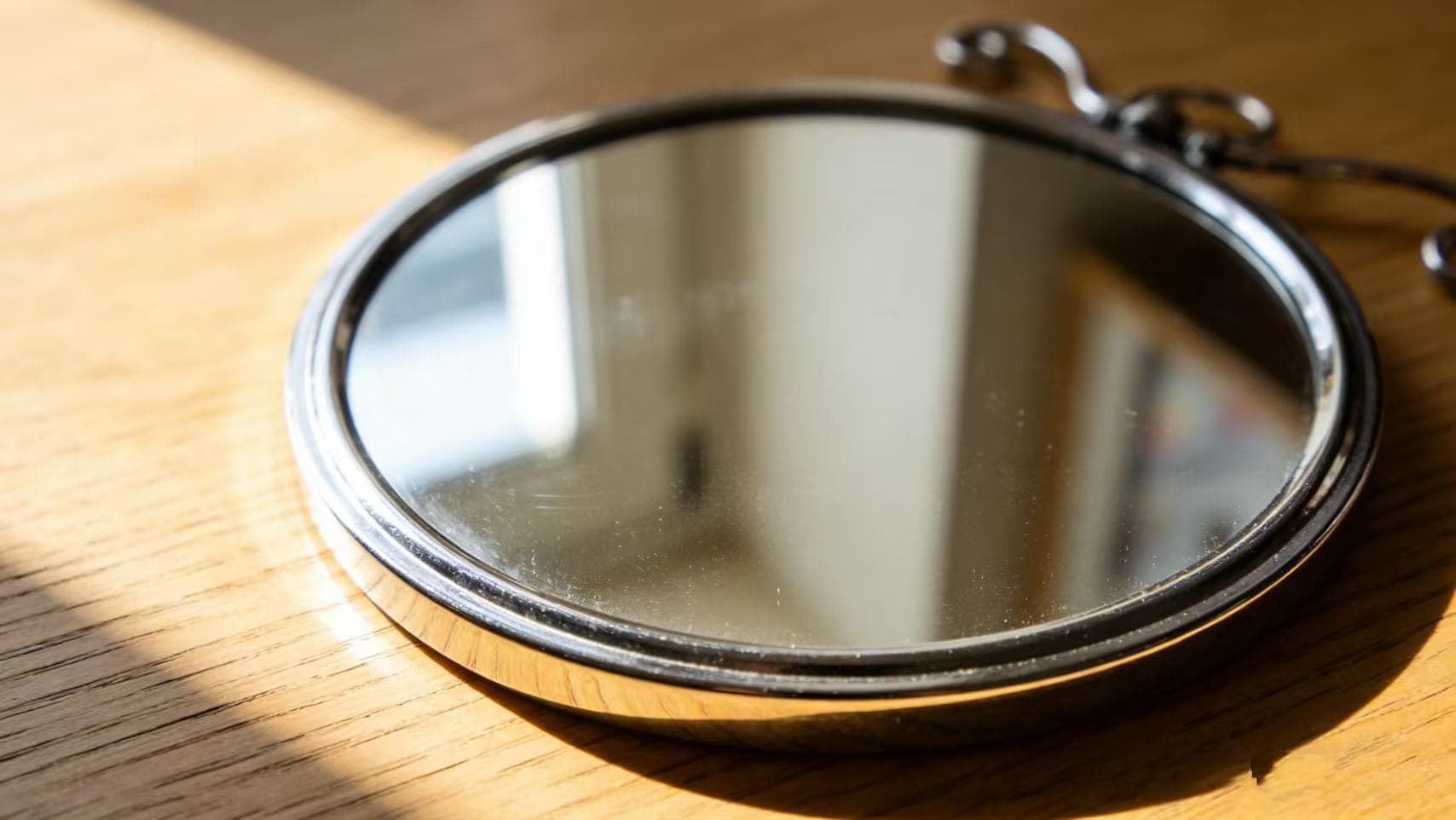
Dreaming of a mirror often reflects self-image, hidden emotions, and boundary awareness. The condition of the mirror and your emotional reaction reveal whether you are integrating your authentic self or avoiding an uncomfortable truth.
Introduction
A mirror in a dream can feel simple at first glance, but emotionally it is rarely neutral. You may wake with curiosity, shame, fear, or even relief depending on what the mirror showed and how your body reacted in the moment.
In dream psychology, a mirror usually symbolizes self-perception: how you see yourself, how you think others see you, and what parts of your inner life you avoid. The dream is not a literal verdict about your appearance or destiny. It is a symbolic snapshot of identity tension.
So instead of asking “Is this a good or bad sign?”, a more useful question is: “What detail in the mirror scene felt most charged?” A cracked surface, a missing reflection, or an unfamiliar face each points to a different psychological mechanism.
Core Symbolism
At a core level, mirror dreams often involve the relationship between your public persona and your private emotional reality. In Analytical psychology, this tension is linked to the gap between persona and the Shadow.
A clear and steady reflection can symbolize coherence and self-acceptance. A distorted reflection can signal internal conflict, self-criticism, or role fatigue. One common chain is: dream detail (blurred mirror) → mechanism (emotional avoidance or overload) → meaning (difficulty naming true needs) → waking behavior (over-functioning, people-pleasing, numbness).
The positive side of this symbol is insight. Mirror dreams can mark readiness for honest self-review. The shadow side is fixation on external approval. The dream invites integration, not perfection.
Common Dream Scenarios
I look into a mirror and see a stranger
You expect your own face, but the reflection is unfamiliar or emotionally distant. The body response is often immediate: a cold shock, tight breath, or urgency to look away.
This scene often reflects identity strain during transitions. A role may have expanded faster than your emotional adaptation. The stranger can symbolize a part of you that has been active but unacknowledged.
Action signal: identify one area where you are performing competence but suppressing authenticity.
I see a broken mirror
The mirror cracks in your hands or is already shattered. You may feel panic, grief, or a strange calm.
Psychologically, this often points to a changing self-structure rather than “bad luck.” An old self-image may be breaking down because it no longer fits current reality.
Action signal: name one outdated belief about yourself and test a more flexible replacement this week.
The mirror is foggy or dirty
You try to wipe it, but the image remains unclear. Frustration builds because you feel close to clarity without reaching it.
This can reflect emotional noise: chronic stress, decision fatigue, or unresolved conflict. The issue is usually not lack of intelligence but low internal bandwidth.
Action signal: reduce cognitive load for 24 hours before making a major self-judgment.
I have no reflection at all
You stand in front of the mirror and see emptiness. This often creates fear, numbness, or existential unease.
This scene may symbolize disconnection from embodied needs, especially after prolonged overwork, burnout, or relational self-erasure.
Action signal: return to basics first—sleep, food, body cues, and one honest conversation.
Perspectives
Jungian Perspective
From a Jungian angle, mirror dreams can represent confrontation with disowned aspects of the self. The reflection is less about appearance and more about psychic truth.
Mechanism chain: detail (frightening reflection) → mechanism (shadow activation) → meaning (repressed anger, envy, grief, or desire) → suggestion (name and integrate, rather than deny).
Growth potential: greater wholeness and emotional honesty. Shadow cost: continued split between image and reality.
Freudian Perspective
In Freud’s framework and themes from The Interpretation of Dreams, mirror scenes can encode conflict between desire and prohibition.
You may want recognition, intimacy, power, or freedom while fearing judgment or punishment. The mirror dramatizes this conflict through self-observation under pressure.
Practical use: look for what you “should” feel versus what you actually feel.
Cognitive and Neuroscience Perspective
Research resources such as APA and NCBI suggest dreams often process emotionally salient material during REM sleep.
When self-evaluation stress is high, the brain may simulate image-based scenarios like mirrors to organize social threat, memory, and identity cues.
Practical use: regulate physiology before interpretation. Better sleep quality often changes dream intensity and tone.
Cultural and Symbolic Perspective
Across traditions, mirrors symbolize truth, protection, vanity, or spiritual threshold. Cultural meaning matters, but deterministic fear-based readings are rarely helpful.
A useful modern interpretation combines symbolism with context: what in your current life is asking for clearer self-recognition and better boundaries?
Reflection & Action
Questions to Ask Yourself
- Which emotion was strongest in the mirror scene: fear, shame, curiosity, or relief?
- Was the mirror clear, cracked, foggy, or empty?
- Where am I over-adapting to others and under-listening to myself?
- What truth do I already know but postpone acting on?
Actionable Steps (Next 24 Hours)
- Write a 5-minute “uncensored self-description” and circle one sentence that feels most true.
- Do one boundary action: a clear no, a direct request, or a postponed obligation.
- Reduce nighttime stimulation for one evening and track dream intensity.
- Share one authentic feeling with a trusted person without over-explaining.
FAQs
Is dreaming of a mirror a bad omen?
Not usually. It is more often a self-reflection signal than a prediction. Focus on emotional tone and dream details, not superstition.
Does a broken mirror dream mean seven years of bad luck?
In psychological terms, no. A broken mirror more often symbolizes identity transition or collapse of an old self-image.
Does seeing a monster in the mirror mean I am a bad person?
No. It can indicate disowned emotions or unmet needs surfacing symbolically. The goal is integration, not self-condemnation.
Does this dream mean I have a mental disorder?
Not by itself. A single dream is not diagnostic. If distressing dreams are frequent and impair sleep or daily functioning, consider consulting a licensed mental health professional.
Conclusion
Mirror dreams often mark a moment of psychological honesty. They reveal where your identity, emotional needs, and social roles are aligned—or split.
Start small tonight: record one vivid mirror detail and one action you will take tomorrow to reduce inner mismatch. Consistent, low-burden steps are more useful than dramatic interpretations.
References
- Shadow (psychology) – Wikipedia
- Analytical psychology – Wikipedia
- Sigmund Freud – Wikipedia
- The Interpretation of Dreams – Wikipedia
- American Psychological Association: Why do we dream?
- NCBI – National Center for Biotechnology Information
Disclaimer
This article is for educational and self-reflection purposes only. It is not a diagnosis and does not replace professional psychological or medical care. If nightmares are persistent or significantly affect your functioning, seek support from a qualified professional.
Had a dream about Mirror?
Get a personalized, in-depth analysis of your specific dream context with our AI therapist.
Related Dreams

Money
A powerful symbol of self-worth, psychic energy, and the exchange of power in your subconscious.
Phone
Dreaming of a phone often reflects connection, boundaries, missed messages, and emotional urgency. The details—silent screen, broken signal, unknown caller—show what your psyche is trying to communicate.
School
Why do we dream about being back in school? From exam anxiety to lessons unlearned, discover the psychological meaning behind school dreams and what they reveal about your current life challenges.
Toilet
A powerful symbol of emotional release, privacy, and the need to let go of negativity. Explore the psychological meaning of toilet dreams.
Drowning
Dreaming of drowning often symbolizes being overwhelmed by emotions, feeling out of control, or facing deep subconscious fears. Explore the intense imagery and psychological meaning of this common nightmare.

Pregnancy
Symbolizing the incubation of inner potential, where new ideas, plans, or facets of the self are gestating.